
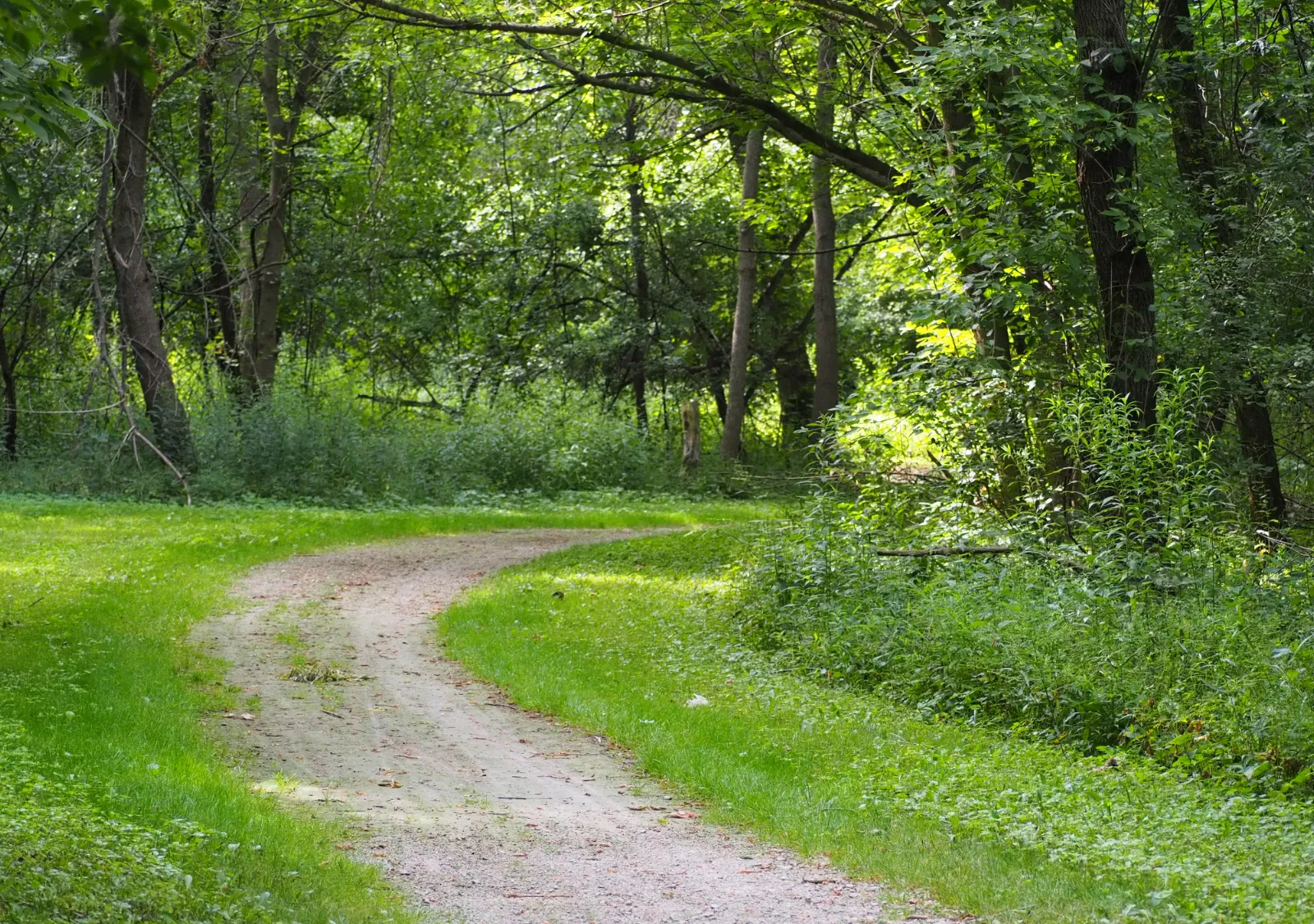
Zheshkwédokan Nature Area
A Living Landscape
For centuries, the land now known as Zibiwés has been shaped by both nature and people. Early survey records from 1819 describe forests of oak, beech, maple, hickory, elm, ash, and basswood surrounding the creek that gave the area its name.
Over the next two centuries, much of the landscape was converted to farmland. Conservation efforts began in 2000, followed by restoration planning, partnerships with the Pokagon Band of Potawatomi, and the designation of Zibiwés as Canton's first official Nature Area. Today, that long story continues as native habitats return and new generations help care for the land.
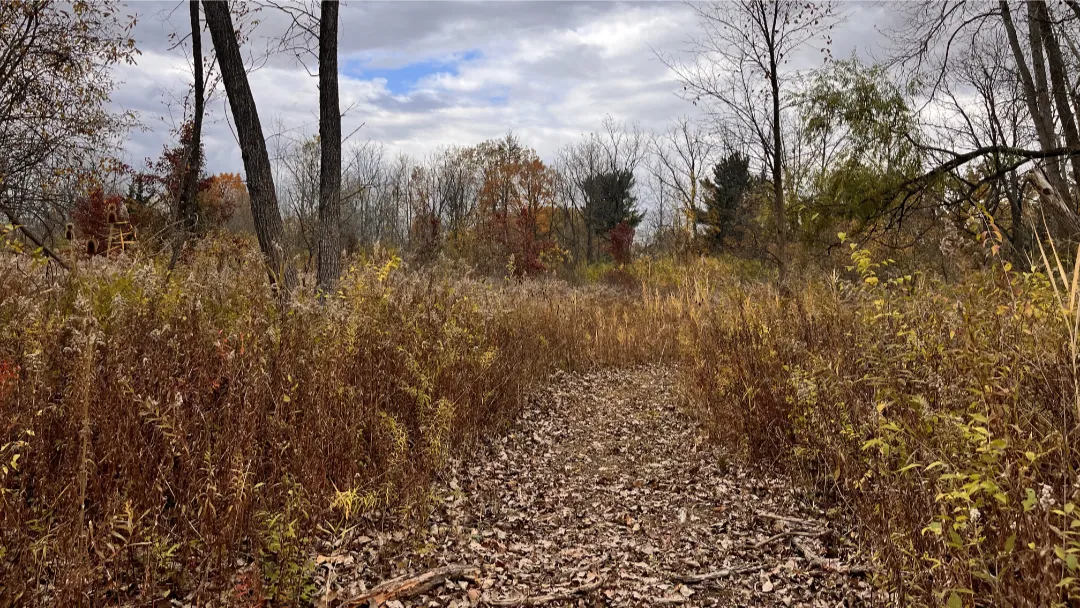
A Landscape Returning to Nature
Today, Zibiwés is a mosaic of woodlands, wetlands, and former farmland that has naturally rewilded into valuable grassland habitat. Together, these ecosystems provide refuge for migratory birds, pollinators, and other wildlife as development continues throughout the region.
Each season reveals a different side of the landscape—from spring wildflowers and nesting birds to autumn grasses and migrating monarchs. As restoration continues, these habitats will become even more resilient, supporting both biodiversity and opportunities for people to experience nature close to home.
Restoring Zibiwés
In January 2026, Canton Township approved a four-year service agreement authorizing the Canton Nature Society to lead long-term stewardship of Zibiwés Nature Area.
Annual funding supports invasive species management, prescribed fire, native seed collection and planting, restoration of wetlands and forests, and protection of critically endangered grasslands. Through habitat monitoring, volunteer stewardship, and community education, CNS is helping restore Zibiwés as a thriving natural landscape for future generations.